
 Cosmetics
 Perfume, Essential Oil
 Daily Necessities
 Food Paper Tube
 Personal Care
 Paper Bag
 Paper Box




Push-Up vs.Twist-Up: Paper Push Tube vs. Plastic-Component Twist Tube for Solid Products
When selecting packaging for solid personal care products—such as lip balms, lipsticks, solid perfumes, deodorant sticks, antiperspirants, and sunscreens—brands often face a clear choice between plastic-free push-up paper tubes and conventional twist-up tubes containing plastic parts. While both serve the same basic function, they differ significantly in sustainability, user experience, and brand perception. This article provides a factual comparison to guide your decision.
At-a-Glance Comparison Table
|
Aspect |
Plastic-Free Push-Up Paper Tube |
Twist-Up Tube with Plastic Components |
|
Eco-Friendliness |
100% plastic-free, made from paperboard or plant fibers |
Contains plastic parts (typically in base or screw mechanism) |
|
Recyclability & Degradation |
Fully recyclable, biodegradable, or home-compostable |
Complex recycling; plastic and paper are hard to separate |
|
Product Protection & Safety |
Good compression strength; plant fibers avoid chemical leaching risks |
Precision parts may fail; some plastics may release substances under heat |
|
User Experience |
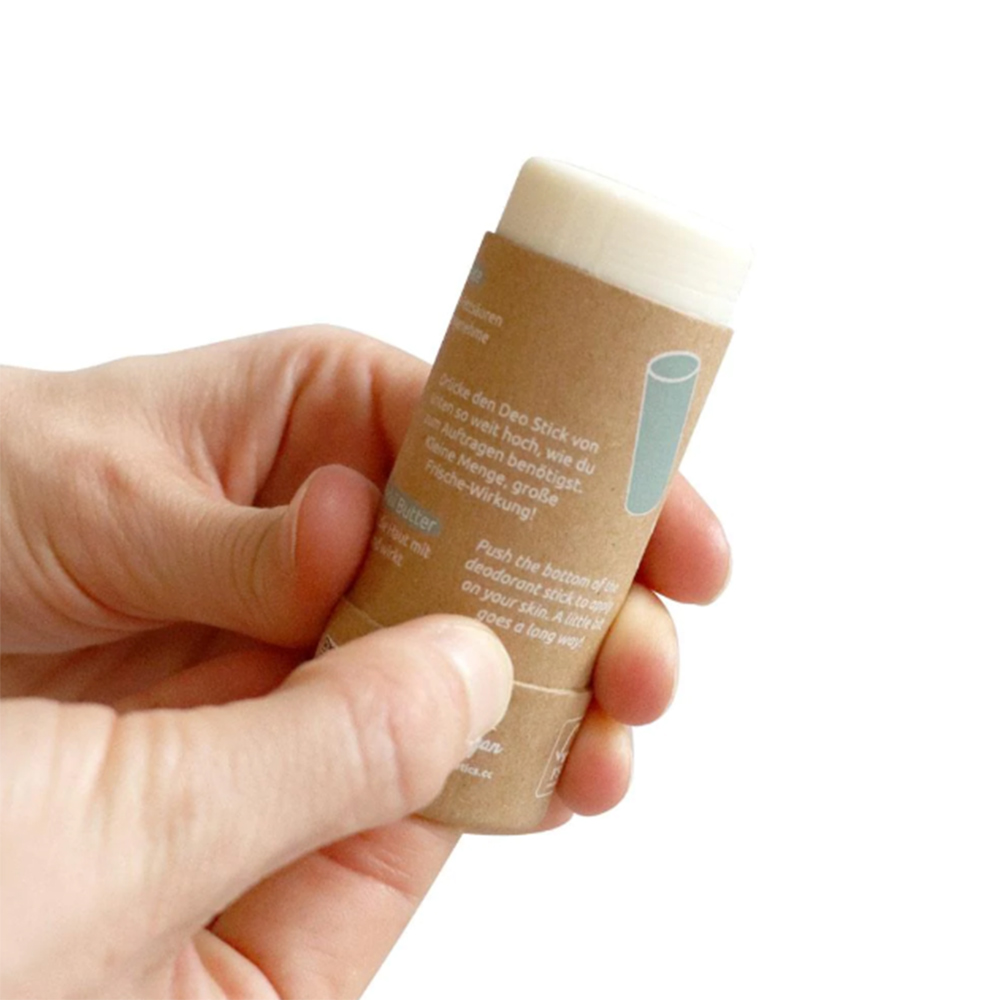
Push-up base for intuitive, controlled dispensing; reduces waste |
Twist-up action provides smooth rotation but feels more mechanical |
|
Brand Value |
Delivers a strong "true zero-plastic" message that builds trust |
Seen as a greener option but sits between conventional and pure eco |
|
Typical Applications |
Semi-solid or solid balms, sticks, bars (lip balm, solid deodorant, sunscreen stick) |
Same product categories, still popular in premium color cosmetics due to smooth twist |

Key Advantages of Plastic-Free Push-Up Paper Tubes
True Zero Plastic
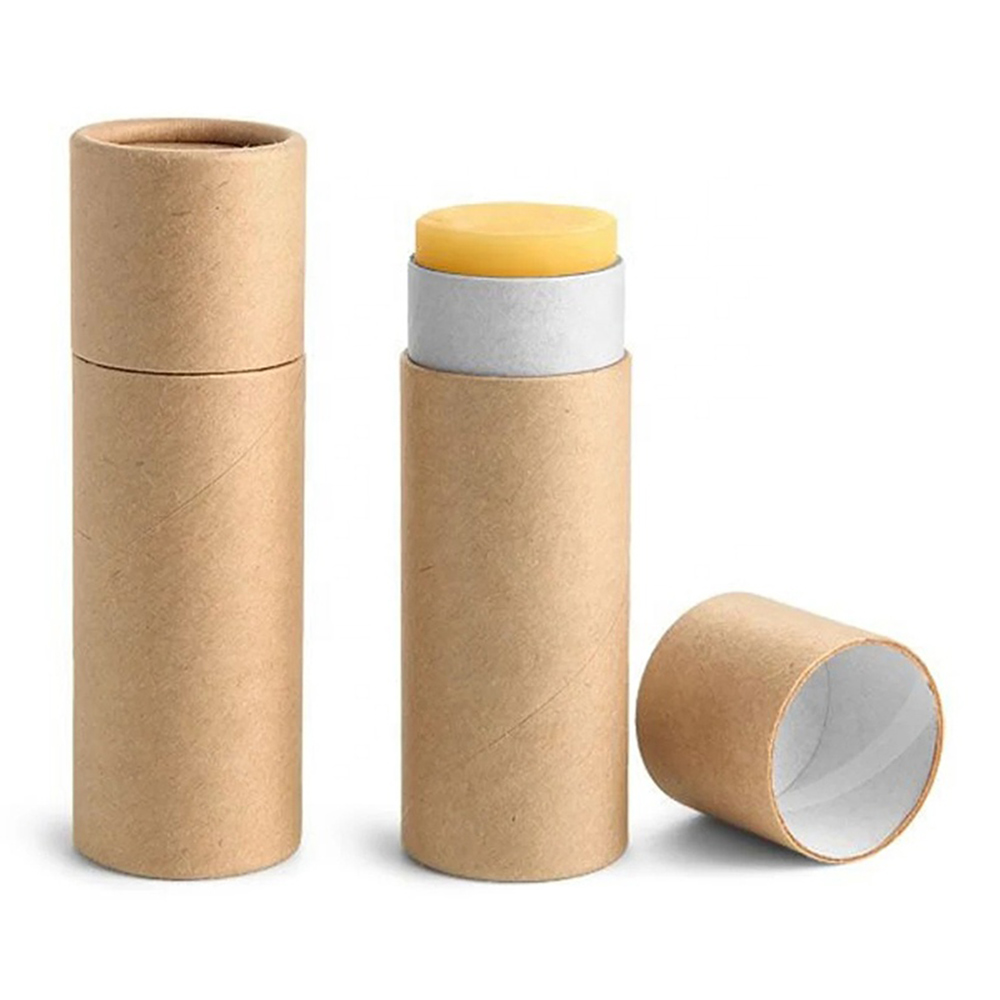
Plastic-free push-up tubes are made entirely from paperboard, plant fibers (such as bagasse or bamboo powder), or pure paper pulp. They contain no hidden plastic components, which means the entire package can be recycled or composted without disassembly. In contrast, many paper-looking twist-up tubes still embed plastic in the base or spiral lifter to maintain structural integrity, making recycling difficult and costly.
Lower Carbon Footprint
Paper-based materials generally require less energy to produce than plastics. Industry data shows that switching to paper-based push tubes can reduce plastic consumption by approximately 46% and carbon footprint by 24%. Furthermore, the simpler construction (no gears, no spiral rods) reduces overall manufacturing energy.
Stronger Brand Narrative
Choosing 100% plastic-free packaging sends an unequivocal message: "We are not just reducing plastic; we are eliminating it." This authenticity resonates deeply with eco-conscious consumers, enhancing brand loyalty and justifying premium pricing.
Natural Touch and Aesthetics
Plant fibers and paper offer a warm, soft touch and a natural, matte appearance. Unlike cold, industrial-looking plastic, these materials align perfectly with natural, organic, and zero-waste lifestyle brands, creating a sense of simplicity and safety.
Practical Limitations to Consider
Plastic-free push tubes are not without challenges:
Lower resistance to moisture and oil: Paper naturally absorbs water and oil. For products with high oil content or in humid environments, additional coatings may be required, which can increase cost and complicate recycling.
Different operation feel: Some push designs require finger pressure on the base. When the product is soft (e.g., in hot weather) or nearly finished, the action may be less smooth than a twist mechanism.
Cost and logistics: High-quality custom paper tubes may have higher initial mold costs than standard plastic tubes. Also, paper tubes are less crush-resistant, so they need extra protection during shipping.
Limited product viscosity range: Best suited for semi-solids and hard balms/sticks. Not suitable for liquids or fluid emulsions.
Conclusion: Which One Should You Choose?
If your brand is positioned as natural, organic, or zero-waste and you want your packaging to tell a compelling, authentic sustainability story, the plastic-free push-up paper tube is the superior choice. It creates clear differentiation in the crowded green beauty market.
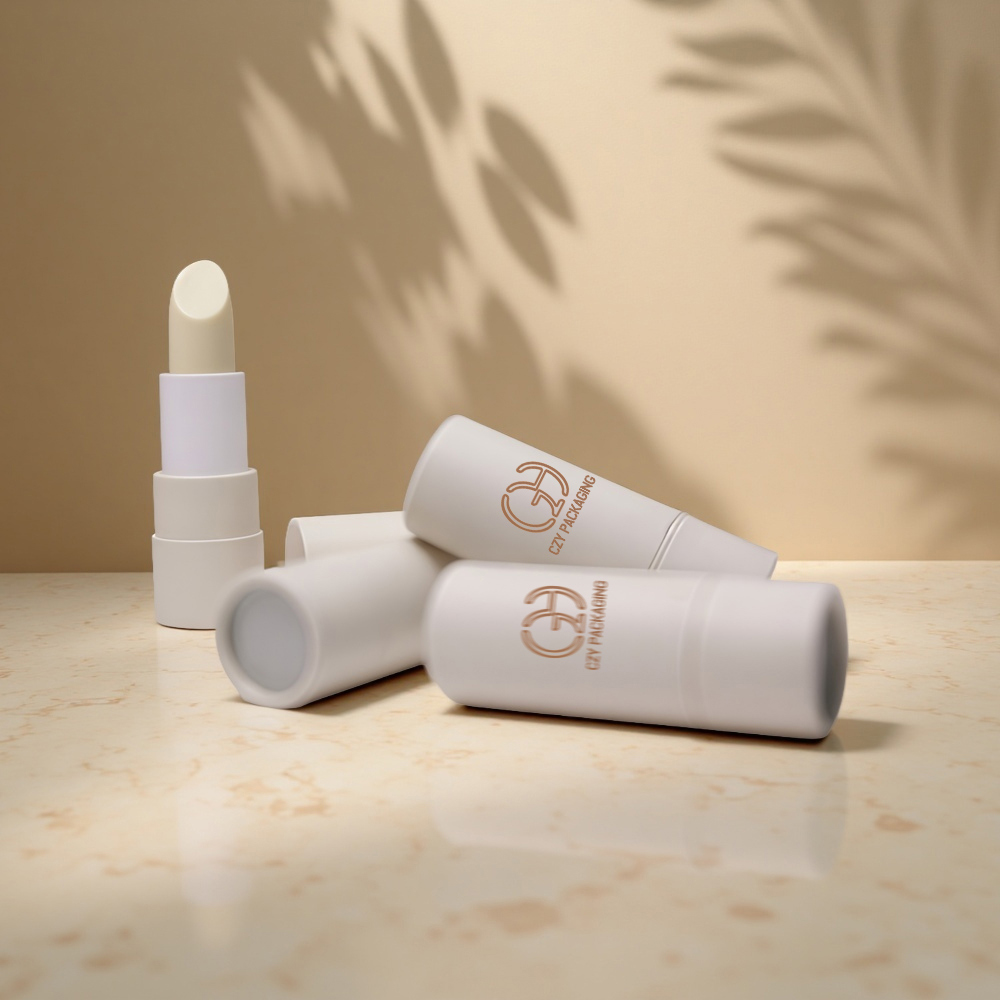
If your priority is the silkiest twist action (e.g., for high-end color lipsticks) or if your current logistics cannot accommodate the protective requirements of paper tubes, a twist-up tube with plastic components may still work as a transitional option. In that case, choose designs that use a single type of plastic or allow easy disassembly for better recyclability.
As a source factory, we offer end-to-end support—from structural design to custom printing—for both solutions. Contact us to discuss which packaging aligns best with your brand and target market.