
 Cosmetics
 Perfume, Essential Oil
 Daily Necessities
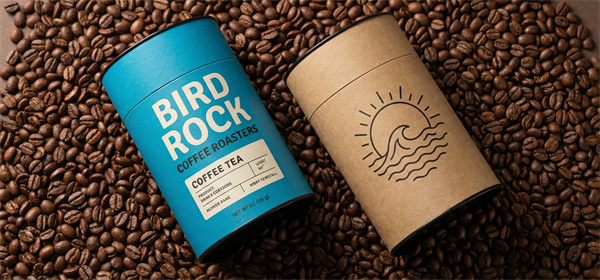 Food Paper Tube
 Personal Care
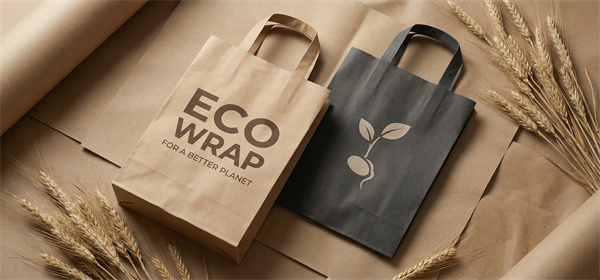 Paper Bag
 Paper Box








Why Is Small-Batch Custom Paper Can Packaging So Cheap?
Although intuition suggests that "bulk equals low cost," the price for small-batch (e.g., 500–2000 units) custom packaging in today's printing industry is dropping rapidly. This isn't due to a single factor, but rather the combined result of technological innovation, business model changes, and supply chain optimization.
Here is the industry analysis on why small-batch custom paper cans are becoming so affordable:
1. Eliminating Minimum Thresholds: The Cost Structure Revolution
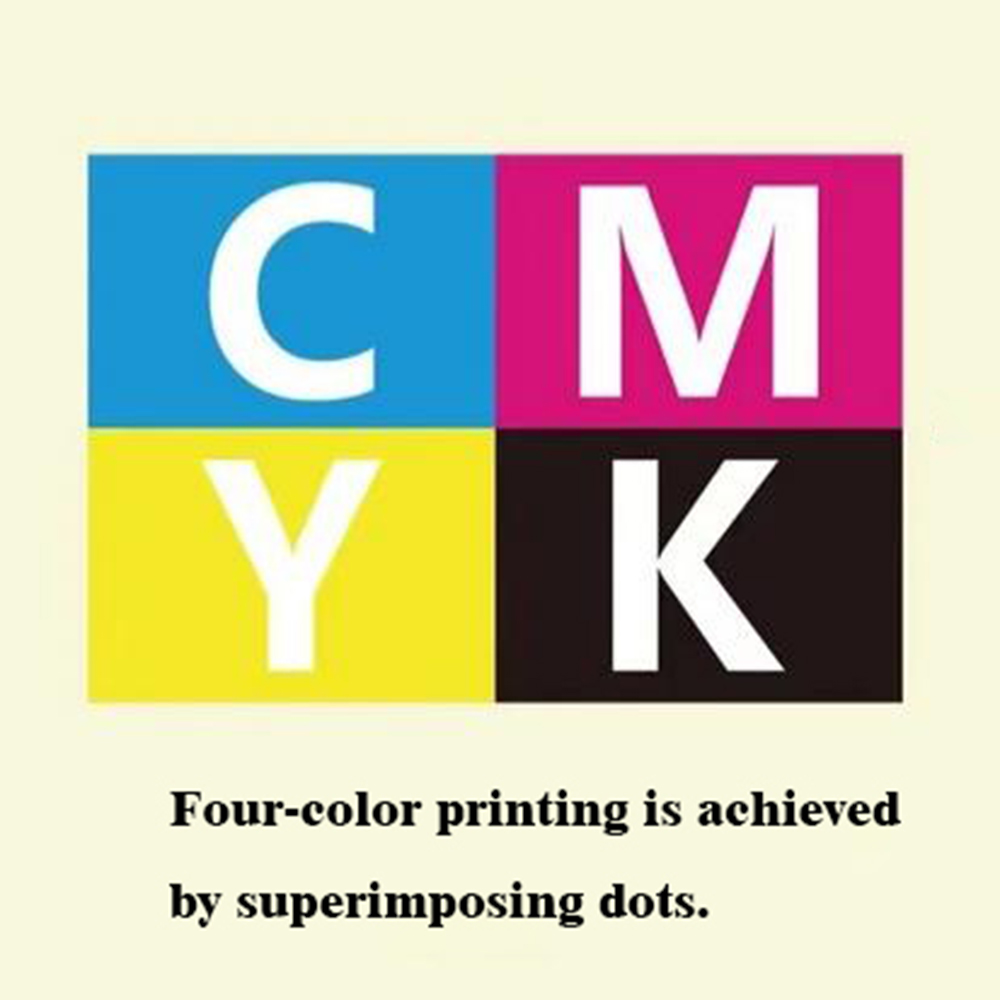
The main reason traditional printing was expensive for small runs was the high "set-up fee" and "plate-making fee." The current low cost is largely due to the popularization of Digital Printing technology.
- Removing Fixed Costs (Plateless Printing): Traditional printing requires expensive plates (which can cost hundreds or thousands of dollars) and complex machine setup. For a 500-unit order, this cost is astronomical per unit. Digital printing is "plateless," transferring files directly from the computer to the machine, eliminating plate fees and complex setup, drastically reducing fixed costs.
- On-Demand Production, Zero Waste: Digital printing allows for "printing one sheet at a time" with no excess waste. Startups or new product testers don't have to order thousands of units to lower the price, avoiding inventory overstock.
2. Platformization & Digital Scale Effects
The "cheap" prices often come from industrial internet platforms (like JD.com, JLCPCB, etc.) that reconstruct the supply chain through digital means.
- Smart Consolidation & Scheduling: Platforms use AI scheduling systems to merge fragmented, small orders (like your paper can and someone else's label) in the backend, printing them together on a large sheet. This "combining into" method greatly improves equipment utilization and lowers the cost per product.
- Standardized Templates Reduce Design Costs: Many service providers offer online designers and ready-made box templates (e.g., crash locks, universal can shapes). You don't need to pay high custom structural design fees; just upload your logo or change the color, and the system automatically generates a 3D preview and quote, saving high labor and communication costs.
3. Business Model Transformation
- Lower Customer Acquisition Costs: For factories and platforms, the marginal cost of maintaining an existing customer or acquiring a new one via the internet is decreasing. To capture the market of SMEs and startups, they are willing to accept small-batch orders at "thin profit" or even "break-even" prices to establish long-term relationships.
- Light Asset Operations: This model reduces middlemen, directly connecting factories and users, eliminating the markup from layers of agents.
Comparison: Traditional Printing vs. Modern Small-Batch Customization
| Dimension | Traditional Printing Model | Modern Small-Batch Custom Model |
| Core Process | Offset/Gravure (Requires Plates) | Digital Printing (Plateless) |
| Minimum Order | Usually 2000–5000+ units to be cost-effective | 200–500 units can start |
| Cost Structure | High Fixed Cost (Plates/Set-up) + Low Variable Cost | Low Fixed Cost + Slightly Higher Unit Material Cost |
| Main Advantage | Extremely low unit price (only for large batches) | Zero inventory risk, flexible design, extremely short lead time |
| Best For | Mature brands, stable volume bestsellers | New product testing, live commerce, limited editions, niche brands |
Tips for Saving Money
If you want to customize cheap small-batch paper cans, focus on these "money-saving codes":
- Choose Digital Printing: If you don't require complex special processes (like intricate hot stamping or embossing), digital printing is currently the most cost-effective choice.
- Use Standard Sizes: Try to choose standard mold sizes that the factory already has. If you need a new mold (especially for the curl and bottom of the paper can), the cost will increase significantly.
- Simplify Processes: Avoid special processes that require separate plate-making (like spot colors, complex spot UV), as these will significantly increase the price for small batches.
- Use Platform Promotions: Pay attention to the "special offer zones" on major supply chain platforms; they often have clearance stock or standard size promotions.
Summary: Small-batch paper cans are cheap because digital printing technology has eliminated the high "set-up fees," and internet platforms have achieved "invisible bulk" production through smart consolidation. This allows you to test your brand at an extremely low cost without taking on huge inventory risks.